


Membrane Bioreactor (MBR)
-
Home
-
Turnkey Solutions
-
Sewage Recycle Plants
-
Membrane Bioreactor (MBR)

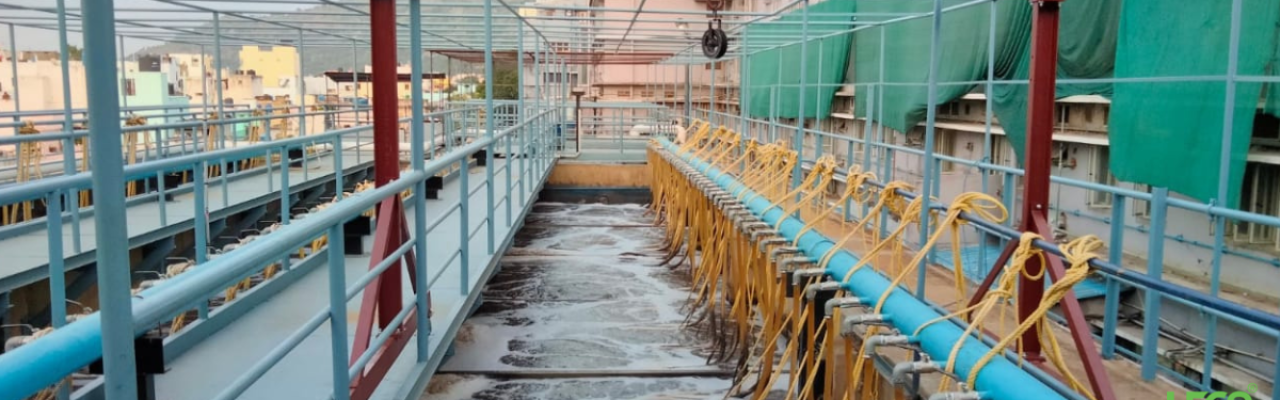


Membrane Bioreactor (MBR) Sewage Treatment Plants
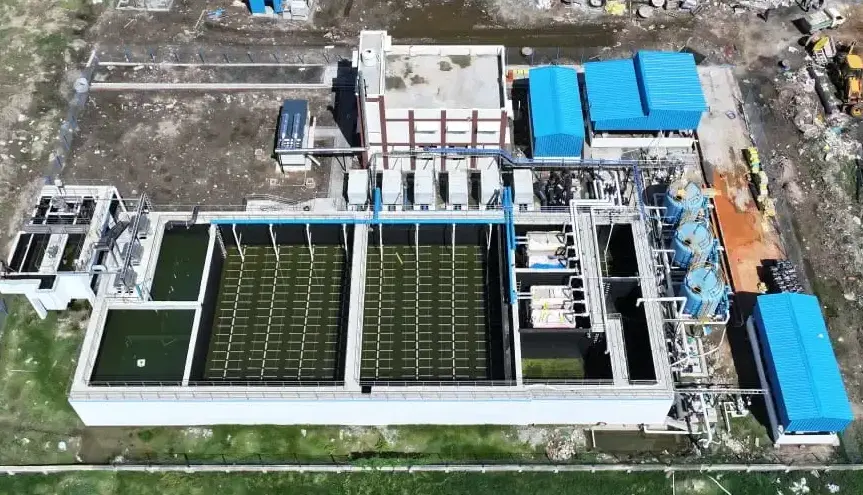
In an era of rapid urbanization, rising water scarcity, and increasingly stringent environmental regulations, conventional sewage treatment methods are no longer sufficient. Membrane Bioreactor (MBR) technology offers a modern, high-performance solution that combines biological treatment with advanced membrane filtration to deliver exceptional effluent quality suitable for reuse.
At HECS, we design and deliver MBR sewage treatment plants (STPs) that help municipalities, institutions, and industries achieve regulatory compliance, reduce freshwater dependency, and move towards a sustainable, circular water economy.
What is a Membrane Bioreactor (MBR)?
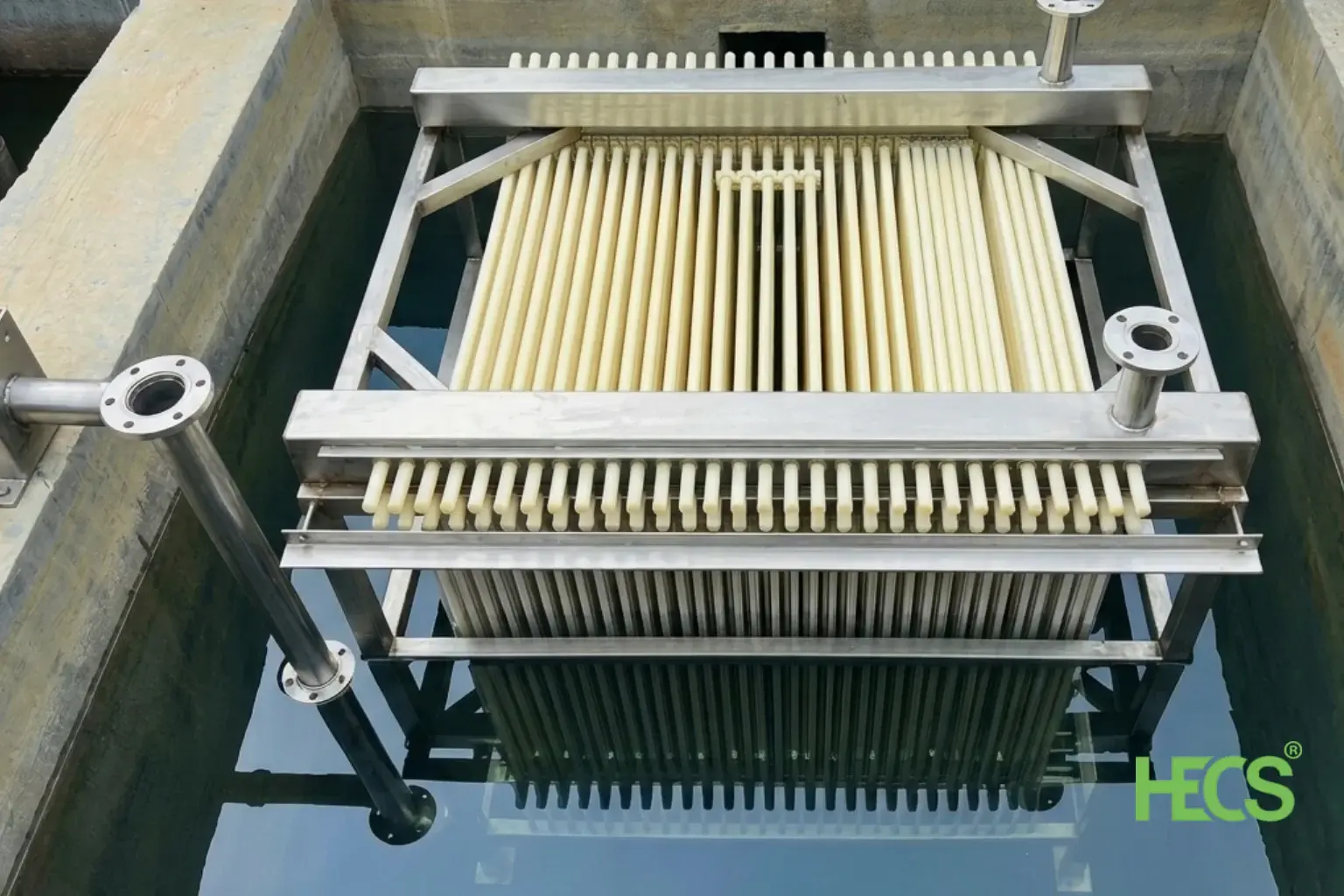
A Membrane Bioreactor (MBR) is an advanced wastewater treatment process that integrates microfiltration or ultrafiltration membranes with a biological suspended growth system. It is an enhanced evolution of the conventional activated sludge process.
Unlike traditional systems that rely on large secondary clarifiers for solid–liquid separation, MBR systems use membranes as a physical barrier. This allows the bioreactor to operate at much higher biomass concentrations (typically 8,000–12,000 mg/L MLSS), resulting in:
- Superior treated water quality
- Complete removal of suspended solids
- High pathogen reduction
- Compact plant footprint
MBR technology is widely adopted for sewage treatment, wastewater recycling, and zero liquid discharge (ZLD) applications.
How HECS MBR Sewage Treatment Plants Work
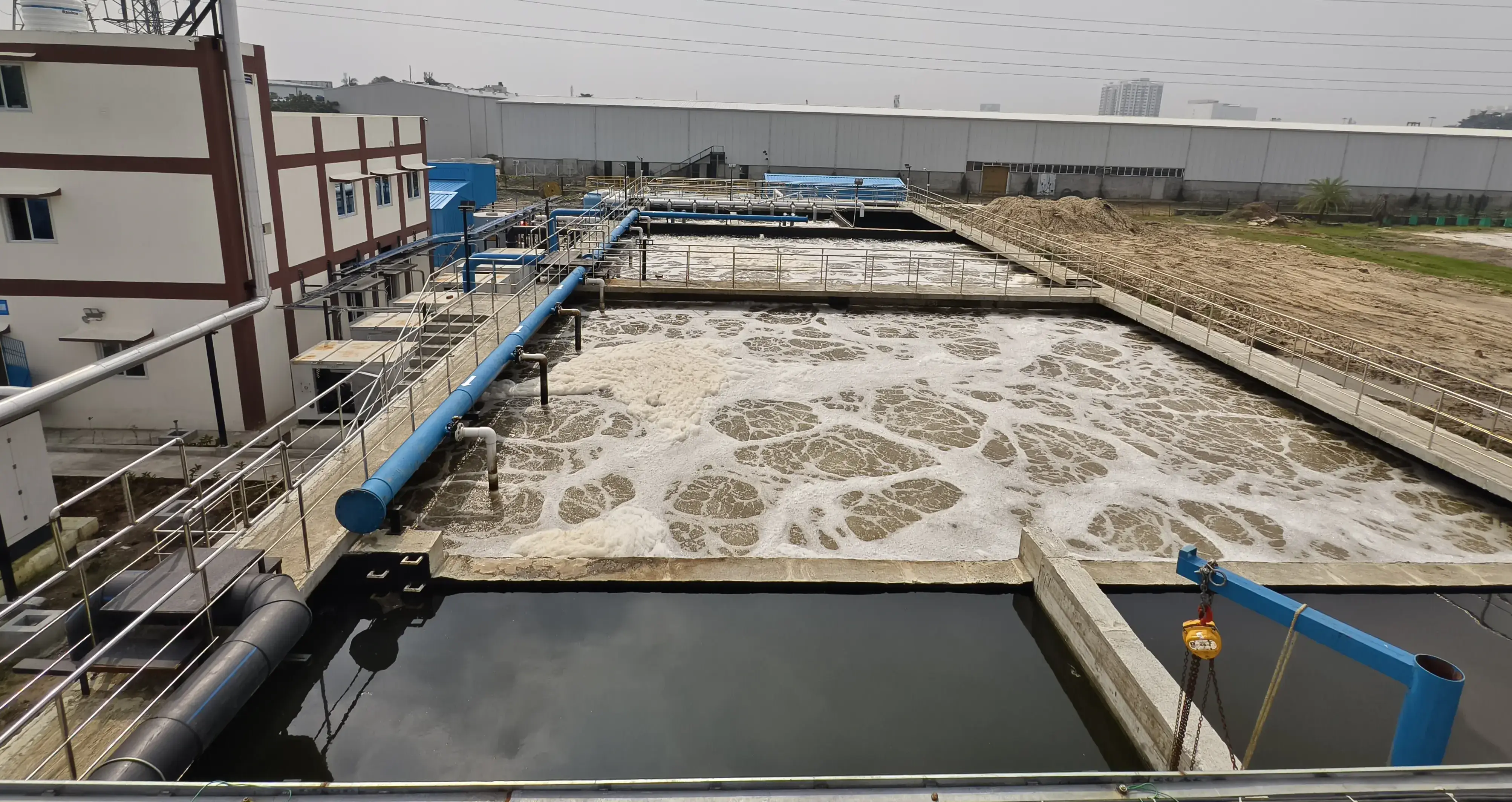
MBR systems treat wastewater through a series of carefully engineered stages:
Primary Treatment
Incoming sewage passes through screening and grit removal to eliminate large debris and protect downstream equipment. An equalization tank stabilizes flow and pollutant load variations.
Biological Treatment
In the bioreactor, specialized microorganisms break down organic matter, ammonia, and nutrients. The high MLSS concentration enhances biological efficiency while reducing reactor volume.
Membrane Filtration
Ultrafiltration or microfiltration membranes (pore size 0.04–0.4 microns) replace secondary clarifiers. These membranes act as an absolute filter, retaining biomass, suspended solids, and most pathogens.
Treated Water Collection
The filtered effluent (permeate) is crystal clear and can be safely discharged or reused. In many cases, MBR permeate can be fed directly to RO systems without additional pre-filtration.
Membrane Maintenance
Automated air scouring minimizes fouling, while periodic chemical cleaning using mild solutions maintains membrane performance and longevity.
Key Advantages of MBR Sewage Treatment Plants
Exceptional Effluent Quality
- BOD < 5 mg/L | TSS < 1 mg/L | Turbidity < 0.5 NTU
2. Compact Footprint
- 30–50% smaller than conventional STPs—ideal for space-constrained sites
3. Water Reuse Ready
- Suitable for gardening, flushing, cooling towers, and industrial reuse
4. Resistant to Shock Loads
- Handles variable flow and organic loads with consistent performance
5. Lower Sludge Generation
- Extended solids retention time reduces sludge handling and disposal costs
6. Fully Automated Operation
- PLC/SCADA-based systems with minimal operator intervention
Applications of MBR Technology
HECS MBR sewage treatment plants are ideal for:
- Residential townships & apartments
- Commercial complexes & IT parks
- Hotels, hospitals & institutions
- Municipal sewage treatment plants
- Industrial wastewater with a biodegradable organic load
MBR for Wastewater Recycling & ZLD Projects
While MBR systems provide limited TDS reduction (approximately 5–15%), they serve as an excellent pretreatment for RO systems. An MBR + RO configuration can achieve over 95% TDS removal, making it ideal for water recycling and zero liquid discharge applications.
This combination significantly reduces freshwater intake and wastewater discharge, delivering strong environmental and economic returns.
Why Choose HECS for MBR Sewage Treatment Plants?
At HECS, we go beyond supplying equipment—we deliver custom-engineered MBR solutions designed around your site conditions, water quality goals, and reuse requirements.
Application-specific MBR STP design
- Seamless integration with tertiary treatment & RO systems
- Energy-efficient aeration and membrane configurations
- Support for commissioning, operation & optimization
- Compliance with CPCB / SPCB discharge standards
Ready to future-proof your sewage treatment system?
📞 Contact HECS today to design a Membrane Bioreactor (MBR) sewage treatment plant tailored to your project requirements.


Share this service: