
Certified Food Testing Laboratories: How to Prevent Recalls and Ensure Compliance

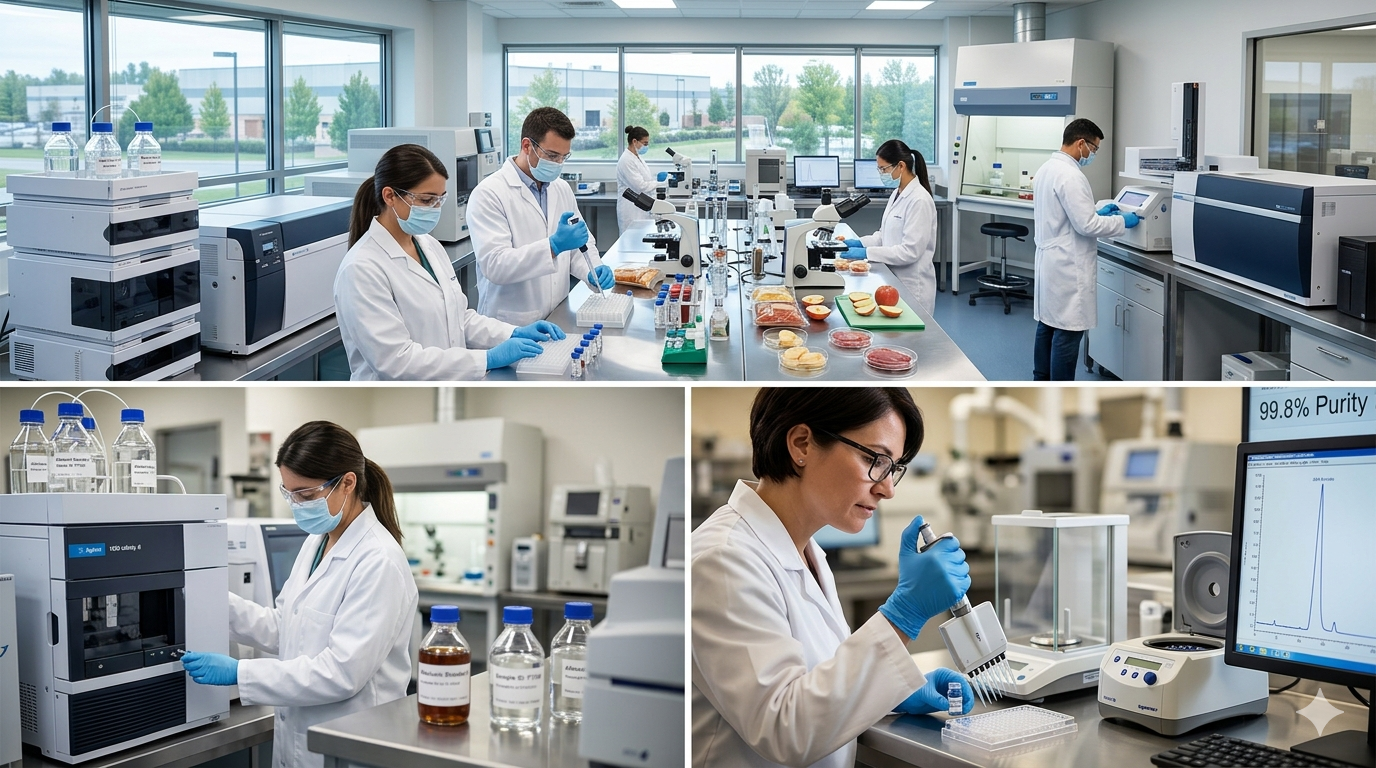
In the modern food industry, a brand’s reputation can be dismantled in hours by a single contamination event. With consumer trust being the most valuable currency, businesses cannot afford to cut corners on safety. Product recalls are not just logistical nightmares; they are financial disasters that can lead to bankruptcy and irreversible brand damage.
This is where certified food testing laboratories become essential partners. By integrating rigorous third-party testing into your supply chain, you do more than just check a box—you build a firewall against contamination, legal liability, and financial loss.
In this article, we explore the critical role of accredited food testing labs in preventing recalls, ensuring regulatory compliance, and safeguarding your bottom line.
The High Cost of Skipping Professional Testing
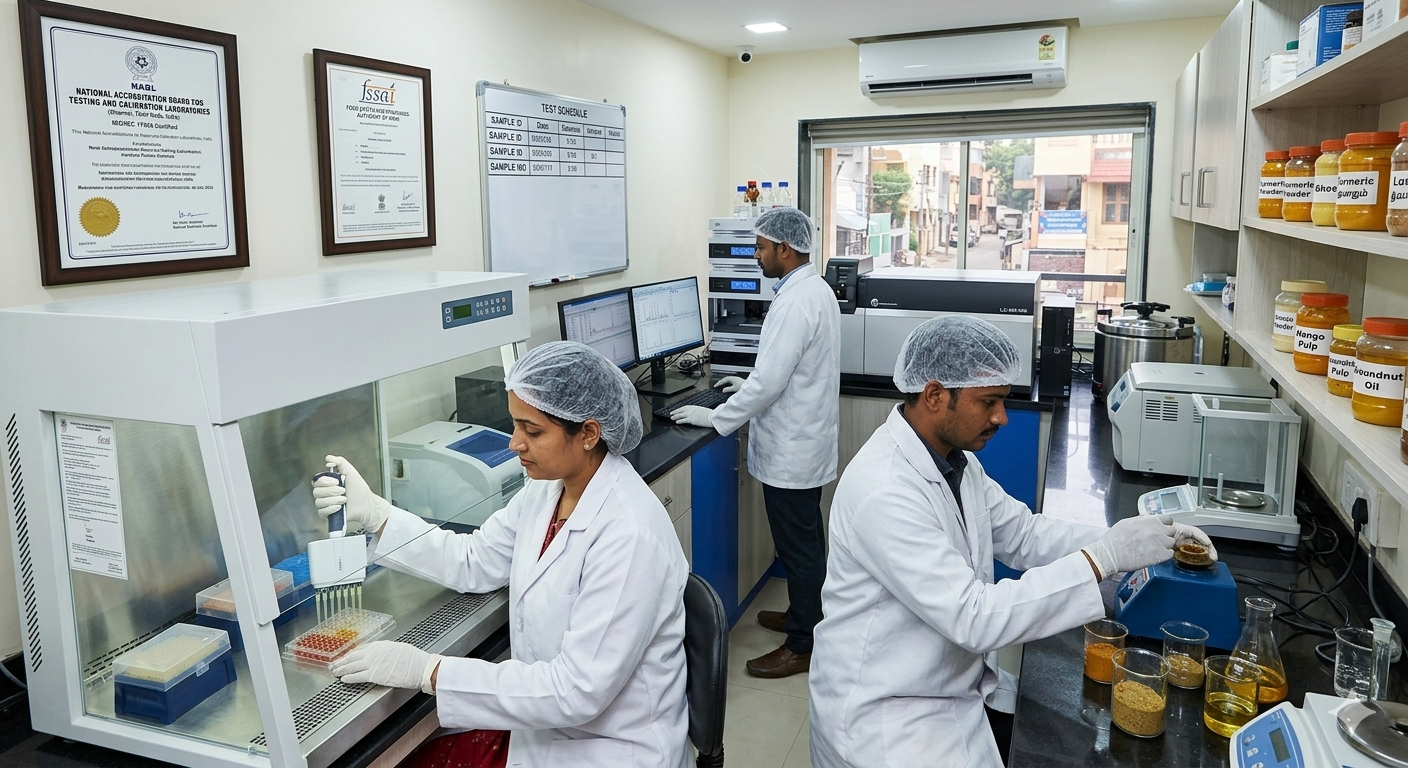
Before diving into solutions, it is vital to understand the risks. The FDA and USDA have strict guidelines under the Food Safety Modernization Act (FSMA). Non-compliance isn't just about fines; it’s about survival.
Common risks associated with inadequate testing include:
Microbiological Contamination: Pathogens like Salmonella, E. coli, and Listeria are invisible threats that can cause widespread illness.
Chemical Hazards: Pesticide residues are leading causes of Class I recalls.
Economic Adulteration: Fraudulent ingredients can compromise product integrity and safety.
Without the precision of a certified food testing laboratory, these risks often go undetected until the product reaches the consumer.
Why Certification Matters: The ISO 17025 Standard
Not all labs are created equal. When outsourcing your food safety testing, "certification" is the non-negotiable keyword. Look for labs accredited to ISO/IEC 17025.
This accreditation ensures that the laboratory:
Operates under strict technical competence.
Uses validated testing methods that stand up in court.
Produces data that is accepted globally by regulatory bodies like the FDA, EPA, and ISO.
Using an accredited lab ensures that your safety data is legally defensible, providing a critical shield during regulatory audits or potential litigation.
3 Ways Certified Labs Prevent Product Recalls
Prevention is always cheaper than the cure. Here is how professional labs help you avoid the devastating costs of a recall.
1. Early Detection of Pathogens
Routine in-house testing can lack sensitivity. Certified labs utilize state-of-the-art technologies to detect pathogens at minute levels before they multiply. By catching Listeria or Salmonella during raw material inspection or in-line processing, you stop contamination at the source.
2. Shelf-Life Validation and Stability Testing
Mislabeling shelf life leads to spoilage and foodborne illness. Certified laboratories conduct real-time and accelerated shelf-life studies to scientifically validate your "Best By" dates. This ensures products are consumed while safe, mitigating the risk of recalls due to spoilage or pathogen growth over time.
Ensuring Regulatory Compliance and Avoiding Penalties
Navigating the complex web of regulations is a challenge for any food business. A certified testing partner acts as your compliance compass.
Audit Support: Regulatory audits require documented proof of safety. Certified labs provide detailed Certificates of Analysis (CoA) that demonstrate due diligence.
Method Validation: Regulatory bodies require specific testing methods. Certified labs ensure that the testing methods used are validated.Supply Chain Verification: FSMA requires verification of foreign suppliers. Third-party testing provides the necessary verification to avoid import alerts and border rejections.
The ROI of Food Safety: Beyond Compliance
Investing in certified food testing services offers a measurable Return on Investment (ROI). Consider the cost of a recall: logistics, legal fees, sales loss, and the intangible cost of brand erosion. Comparatively, the cost of routine testing is negligible.
Furthermore, certification can become a powerful marketing tool.
Protect Your Brand with Certified Food Testing from HECS
Food safety is not optional—it is the backbone of your brand credibility. At HECS (Hubert Enviro Care Systems), we help food manufacturers, exporters, and processing units shift from reactive crisis management to proactive risk prevention. Our certified food testing laboratory services are designed to identify contamination risks, ensure FSSAI and international regulatory compliance, and safeguard your products before they reach the market. With advanced analytical testing, microbiological analysis, and quality assurance support, HECS becomes your long-term compliance partner—not just a testing provider.
Ready to Ensure Compliance and Market Confidence?
Don’t wait for a product recall, regulatory penalty, or food contamination issue to damage your reputation. Partner with HECS for reliable food safety testing, NABL-accredited lab support, and end-to-end compliance guidance. Whether you need routine quality checks, contamination risk analysis, our experts are ready to support your business growth.
👉 Explore our complete food testing and compliance services.


Share this post: