
Activated Sludge Process (ASP)
-
Home
-
Turnkey Solutions
-
Sewage Recycle Plants
-
Activated Sludge Process (ASP)

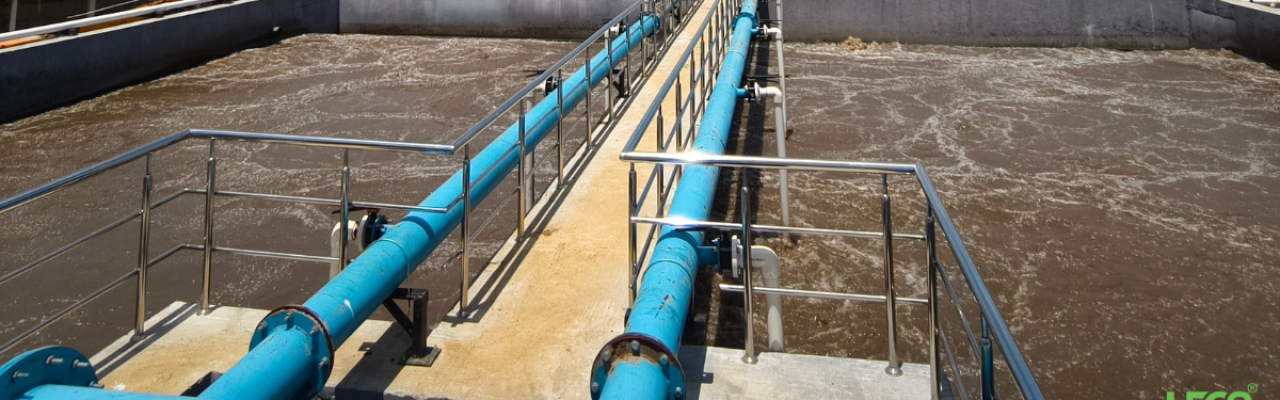


Premium Activated Sludge Process (ASP) Solutions
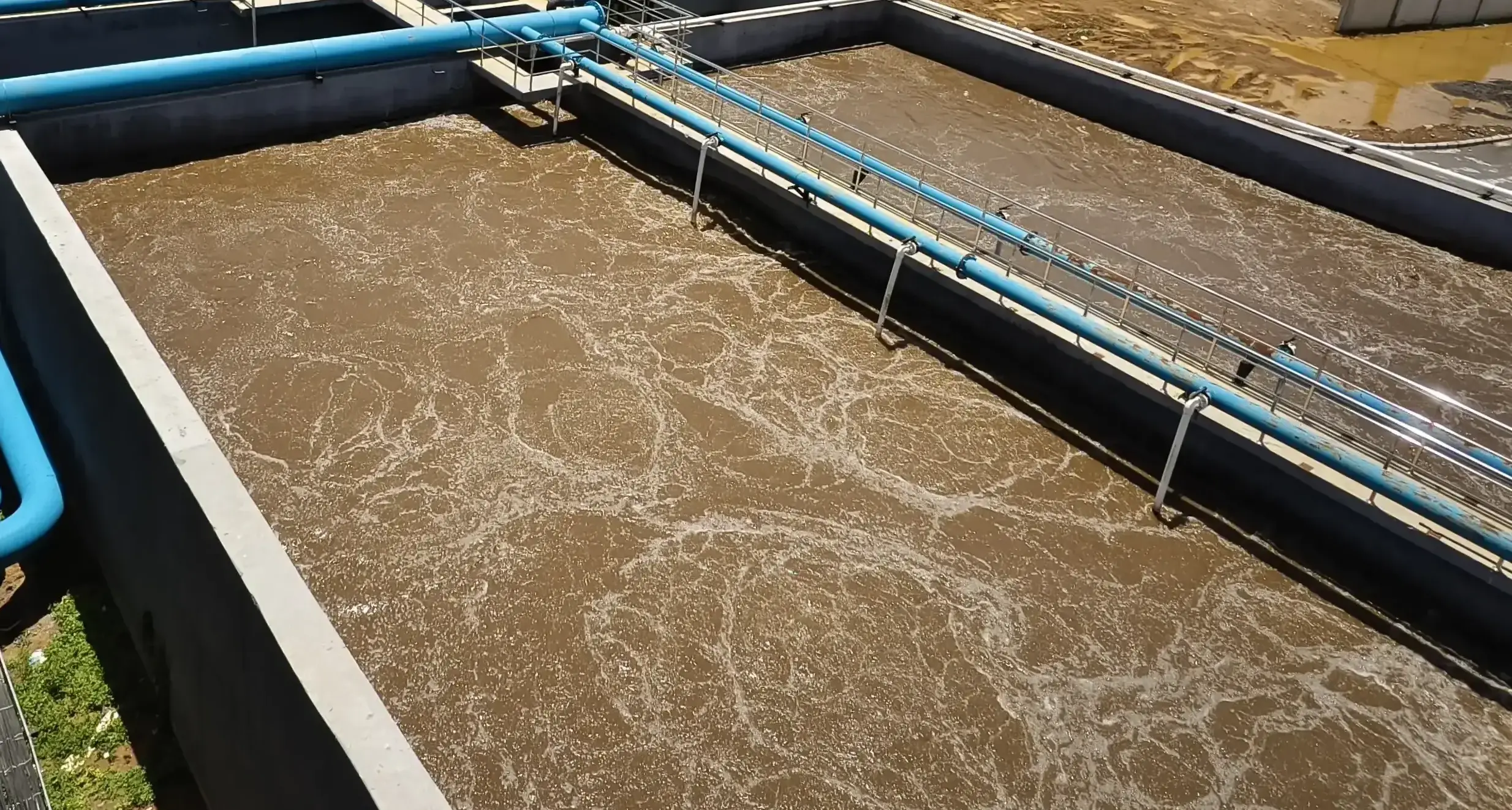
The Activated Sludge Process (ASP) is one of the most reliable and widely adopted biological treatment technologies for sewage and industrial wastewater. At Hubert Enviro Care Systems (HECS), we design, engineer, execute, and operate high-performance ASP-based Sewage Treatment Plants (STPs) that consistently meet Pollution Control Board norms while ensuring long-term operational efficiency.
From new ASP STP installations to aeration system retrofits and end-to-end Operation & Maintenance (O&M), HECS delivers solutions that ensure effective removal of organic load, suspended solids, and nutrients (Nitrogen & Phosphorus) across variable flow and load conditions.
Why Choose HECS for ASP STP Solutions?
HECS focuses on process stability, energy optimization, and regulatory compliance, ensuring reliable plant performance even under fluctuating conditions.
High Effluent Quality
Achieves 95–98% BOD and COD removal, consistently meeting CPCB and SPCB discharge norms.
Energy-Efficient Aeration
Advanced fine bubble diffusers and energy-efficient blowers reduce aeration power consumption—the highest operational cost in ASP plants.
Shock Load Handling
Buffer tanks and process control strategies to manage hydraulic and organic shock loads, especially in industrial applications.
Optimized Footprint
Plug-flow and completely mixed reactor designs minimize land requirement without compromising treatment efficiency.
Odour Control Systems
Integrated bio-filters or chemical scrubbers for installations in residential or environmentally sensitive areas.
HECS ASP Project Lifecycle
1. Process Design & Engineering
Detailed influent analysis and treatability studies guide the design of aeration tanks, clarifiers, and sludge systems using biokinetic calculations and 3D layouts.
2. EPC Execution
Complete Engineering, Procurement & Construction (EPC) including civil works, mechanical erection, piping, electrical systems, and PLC/SCADA integration.
3. Commissioning & Start-Up
Managed biomass seeding, acclimatization, and stabilization to achieve rapid and consistent treatment performance.
4. Operation & Maintenance (O&M)
Continuous monitoring of:
MLSS
DO levels
Sludge Volume Index (SV30)
F/M ratio
This prevents issues such as sludge bulking, foaming, and effluent fluctuations.
5. Retrofitting & Upgrades
Upgrading existing ASP plants with fine bubble aeration, automation, and energy-saving systems without complete reconstruction.
Applications of ASP Sewage Treatment Plants
Municipal Corporations & Townships
Residential & Commercial Real Estate Projects
Industrial Units: Food & Beverage, Dairy, Pharma, Textile, Chemicals
Institutions: Hospitals, Hotels, Educational & Defence Campuses
Common ASP Challenges Solved by HECS
Sludge Bulking
Selector tanks and F/M ratio correction to control filamentous bacteria.
High Power Consumption
VFD-controlled blowers and DO-based automation to optimize air supply.
Inconsistent Effluent Quality
Process control strategies for pH, temperature, and nutrient balance (C:N:P).
Partner with HECS for Proven ASP Solutions
With decades of experience in wastewater engineering, Hubert Enviro Care Systems (HECS) delivers reliable, compliant, and energy-efficient Activated Sludge Process STPs across municipal, industrial, and commercial sectors.
Planning a new ASP STP or upgrading an existing plant?
Connect with HECS to build a treatment system that performs consistently—year after year.


Share this service: