

Tamil Nadu Solar Projects Under Scrutiny: NGO Demands Mandatory Environmental Clearance

Tamil Nadu Solar Projects Under Scrutiny
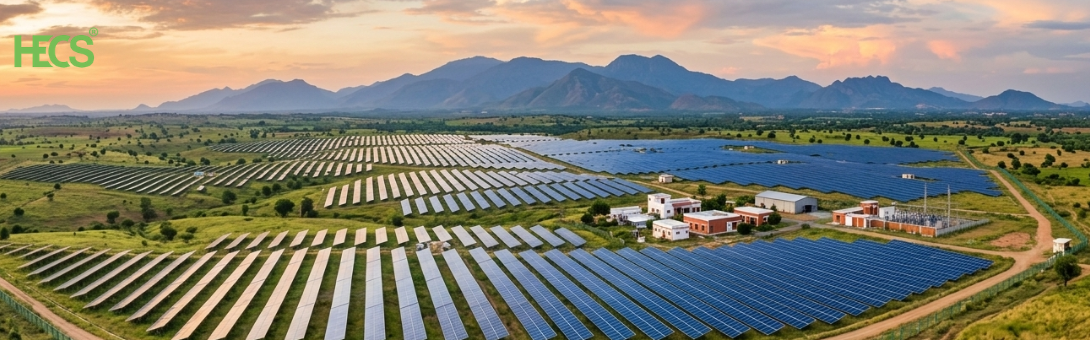
As India accelerates its transition to renewable energy, a significant debate is emerging in Tamil Nadu over the ecological costs of large-scale solar infrastructure. Environmental organization Poovulagin Nanbargal has formally urged the Tamil Nadu government to implement mandatory Environmental Clearance (EC) protocols for large-scale solar power projects.
The move highlights a growing conflict between the expansion of green energy and agricultural sustainability, signalling a pivotal moment for the state’s energy policy.
The Core Concern: Encroachment on Agricultural Land
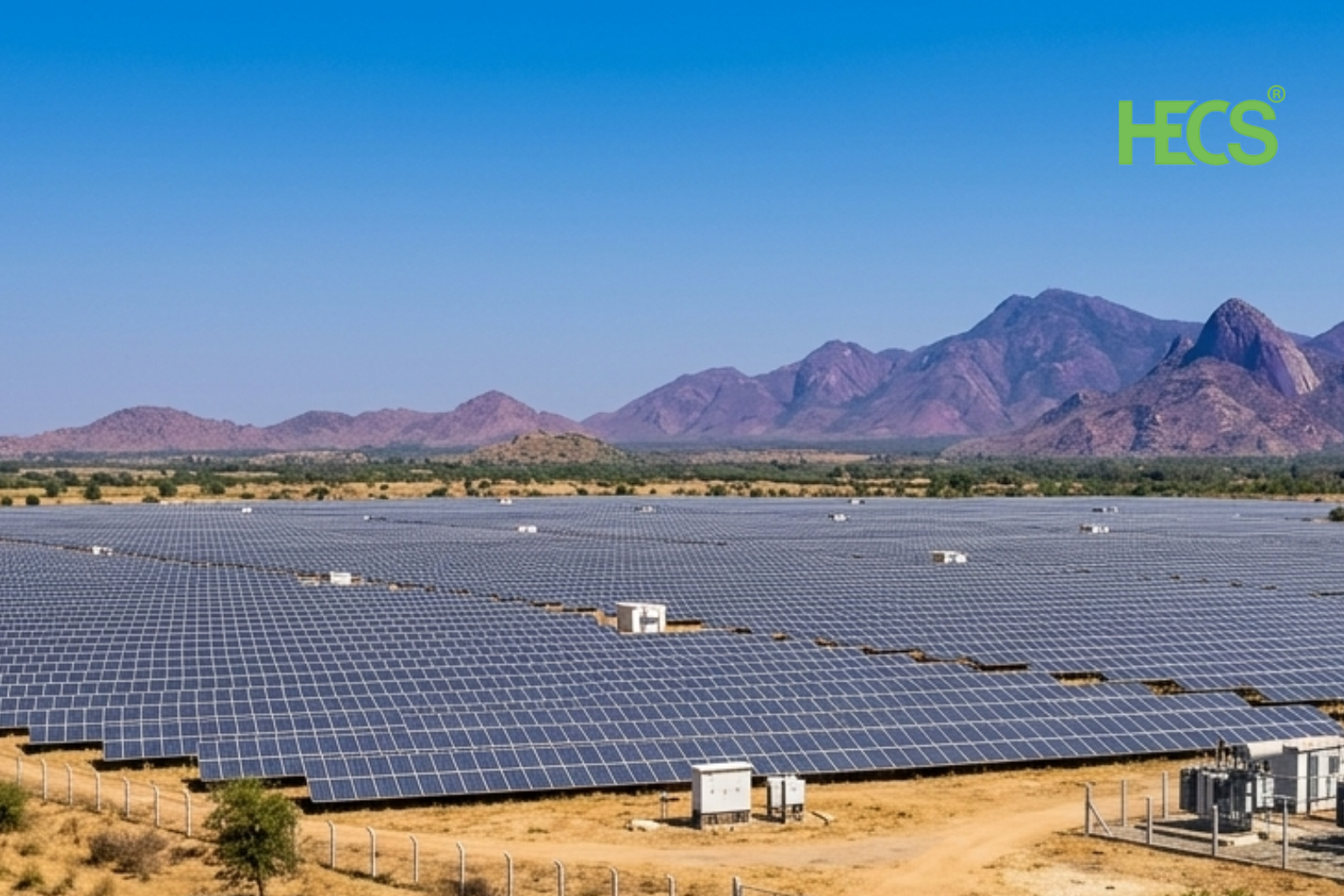
The push for regulation stems from the rapid proliferation of ground-mounted solar parks across the state. According to the NGO, these massive installations are increasingly encroaching on fertile agricultural lands and common grazing grounds.
This trend has sparked significant unrest in rural communities. The organization noted that the conversion of farmland has triggered protests in several districts, where local farmers and herders rely on these lands for their livelihood. The core argument is simple: while solar energy is "green," the method of deployment should not come at the cost of food security and rural economies.
The Efficiency Debate: Centralised vs. Decentralised Energy
Beyond land use, the organization raised critical technical concerns regarding the efficiency of the current energy model. The NGO criticised the state's focus on large, centralised solar parks, citing data suggesting transmission losses in such systems can reach 25%.
High transmission losses reduce the actual quantum of power reaching the consumer, making the system less efficient than smaller, decentralised rooftop or agrivoltaic solutions. This inefficiency raises questions about the economic viability of mega-solar parks compared to distributed generation models that utilize existing infrastructure.
The Data: Utilising Wasteland Over Farmland
Robust official data backs the demand for stricter norms. In a statement released on Tuesday, Poovulagin Nanbargal referenced the Union Ministry of New and Renewable Energy’s (MNRE) September 2025 report, titled 'Solar PV Potential of India – Ground Mounted'.
The report provides a clear roadmap for sustainable expansion:
Potential Capacity: India has the potential to generate a massive 3,343 GW of solar power.
Land Requirement: This can be achieved by utilizing approximately 27,571 sq. km. of land.
The Key Takeaway: The report specifically identifies this potential as achievable by using largely arid and wasteland areas, rather than fertile agricultural zones.
This data serves as the central pillar of the NGO's argument. If India can generate over 3,000 GW of power using wastelands, the encroachment on agricultural land is not only harmful but arguably unnecessary.
The Path Forward
The situation in Tamil Nadu mirrors a global challenge in the renewable energy sector: balancing the urgent need for decarbonization with local ecological preservation.
By urging the government to make environmental clearance mandatory, the organisation is advocating for a due diligence process that assesses the impact on local biodiversity, water resources, and food security before projects are sanctioned.
Conclusion
The unfolding situation in Tamil Nadu serves as a critical precedent for the renewable energy sector, emphasizing that the route to net-zero cannot come at the expense of ecological balance. As the demand for mandatory Environmental Clearance (EC) intensifies, the role of a comprehensive Environmental Impact Assessment (EIA) becomes indispensable. A robust EIA is the only mechanism that can scientifically validate land use, ensuring that solar expansions utilize identified wastelands rather than encroaching on fertile agricultural zones.
Navigating this evolving regulatory landscape requires technical precision and strategic foresight. This is where expert guidance is paramount. HECS Environmental Consultancy stands at the forefront of sustainable development, offering specialized services to bridge the gap between renewable energy ambitions and environmental compliance. As leading EIA Consultants, we assist developers in conducting thorough due diligence, securing necessary clearances, and aligning projects with the latest MNRE guidelines. By partnering with HECS Environmental Consultancy, stakeholders can ensure that their transition to green energy is not only efficient but also environmentally responsible and legally sound, safeguarding both community interests and long-term project viability.
Disclaimer: This blog post is based on news reports and official data available as of March 2026.


Share this post: